Automotive Grade Inductors: High-Performance Components for Vehicle Electronics | Superior Quality & Reliability

All Categories

Get a Free Quote

Our representative will contact you soon.
Email
Name
Company Name
Message
0/1000

automotive grade inductor

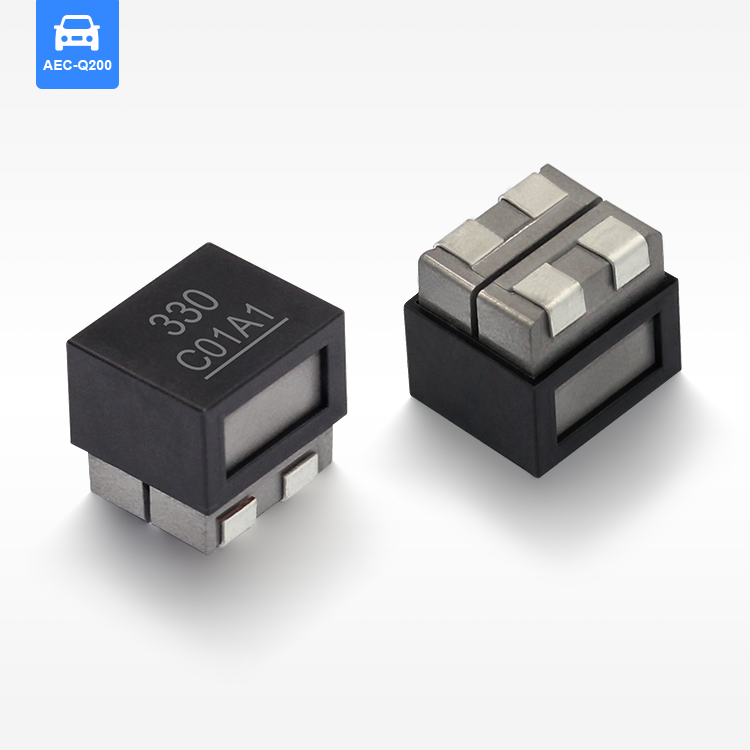
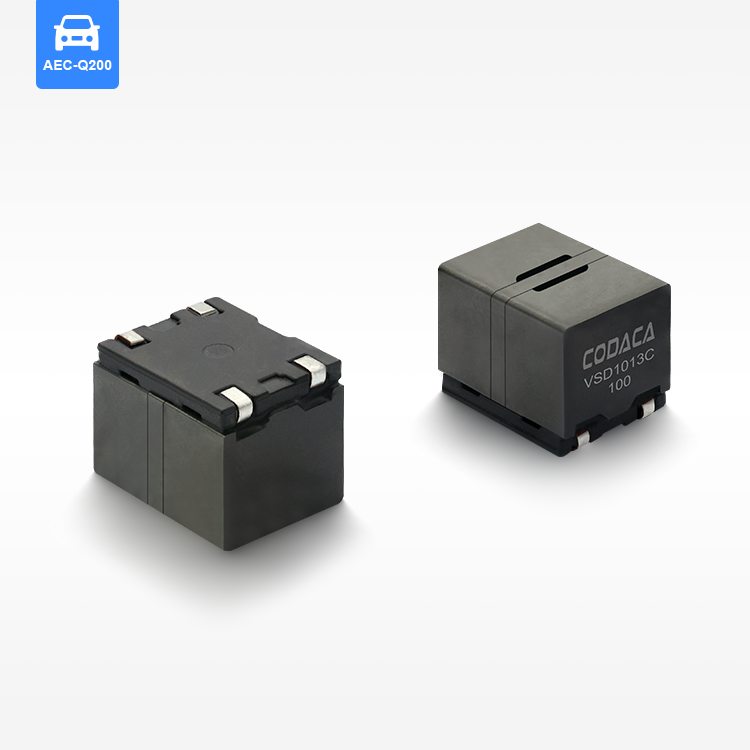
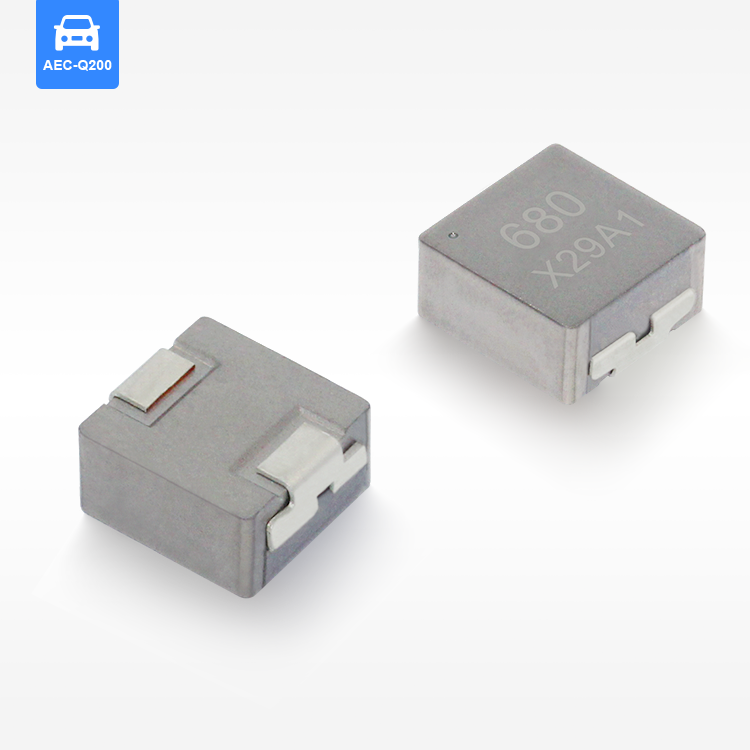
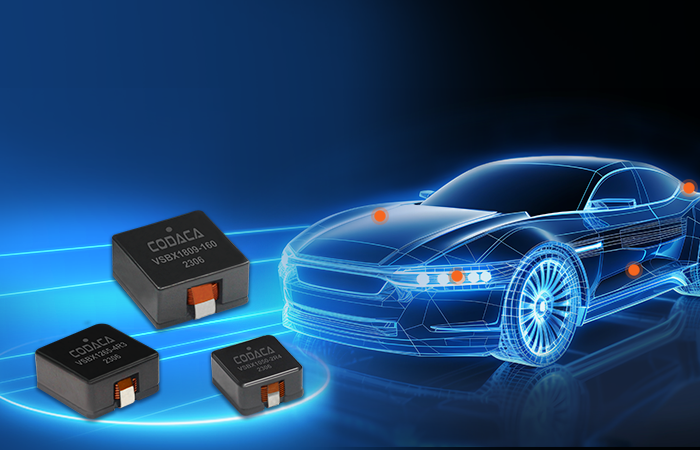
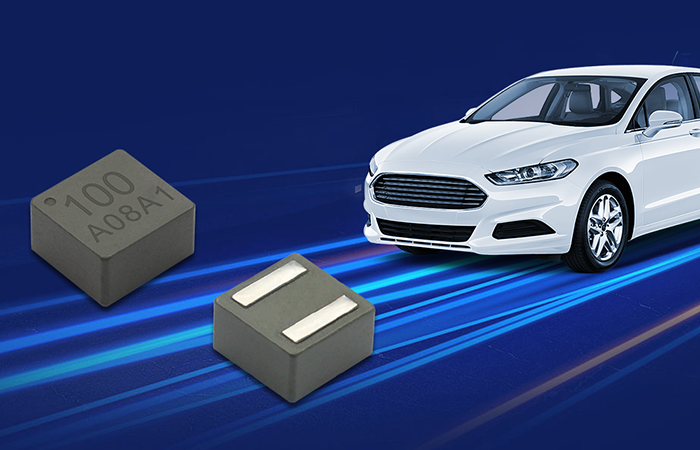
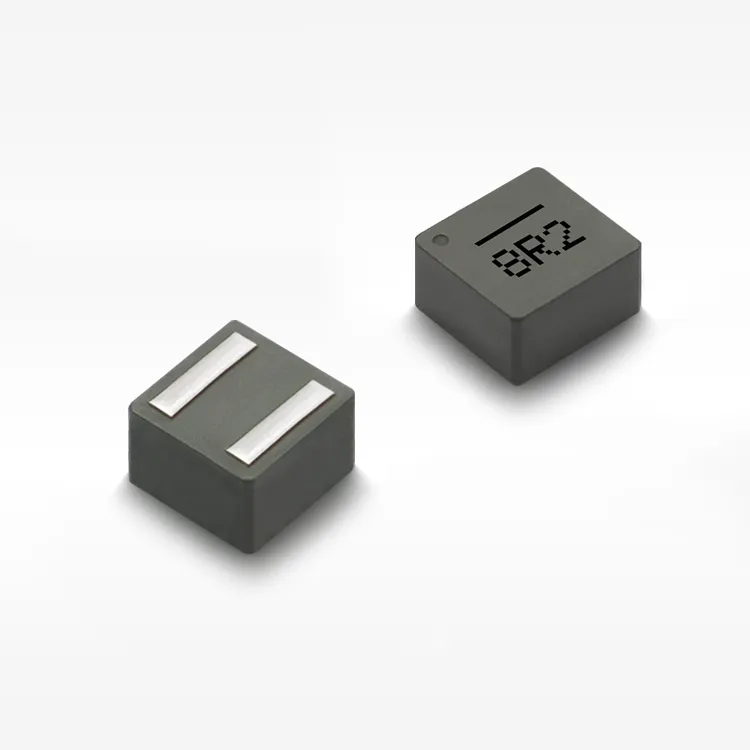
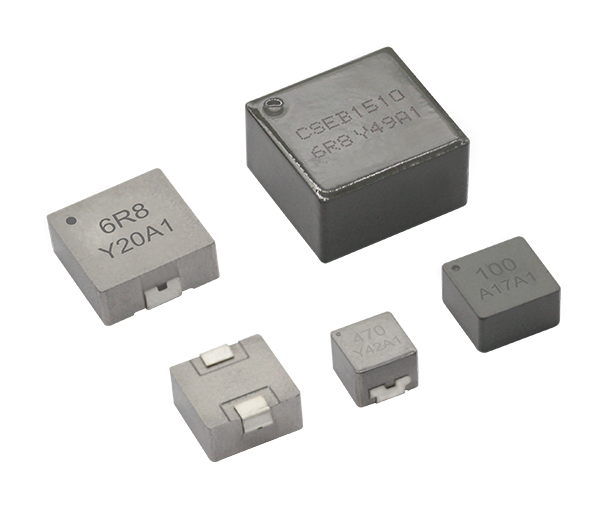
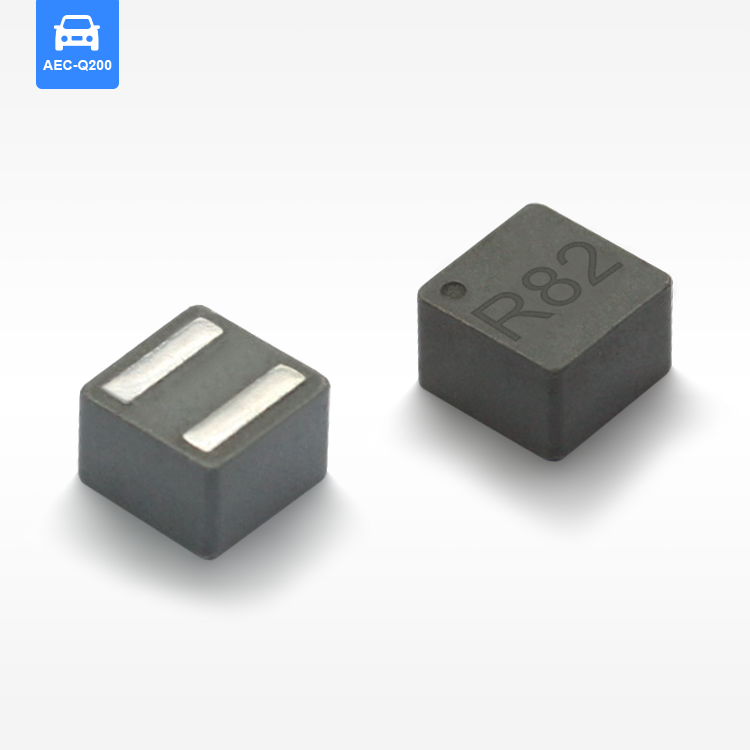
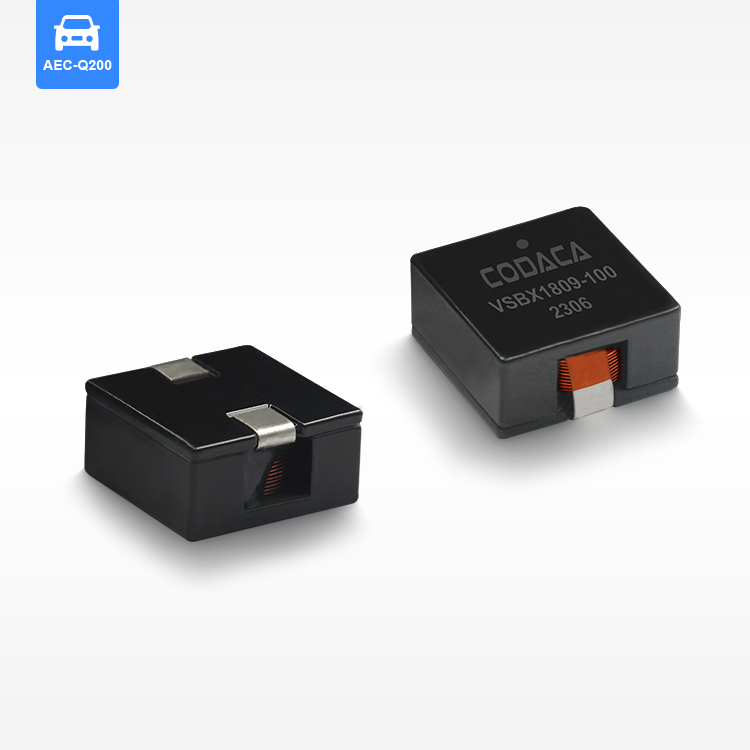
An automotive grade inductor represents a specialized electronic component engineered to meet the stringent requirements of modern vehicle systems. This passive electronic component stores energy in a magnetic field when electrical current flows through its coil, making it essential for various automotive applications. The automotive grade inductor differs significantly from standard inductors due to its enhanced durability, temperature resistance, and reliability standards mandated by the automotive industry. These components must withstand extreme operating conditions including temperature fluctuations ranging from -40°C to +150°C, vibrations, electromagnetic interference, and moisture exposure typical in vehicular environments. The primary function of an automotive grade inductor involves filtering electrical noise, smoothing power delivery, and managing electromagnetic interference within vehicle electronic systems. These inductors play crucial roles in power management circuits, DC-DC converters, switching regulators, and electromagnetic compatibility applications. Technological features include high-quality magnetic cores, precision-wound copper conductors, and specialized encapsulation materials that ensure consistent performance under harsh conditions. The magnetic core materials, typically ferrite or powdered iron, are selected for their stability across wide temperature ranges and resistance to magnetic saturation. Advanced manufacturing processes ensure tight tolerance control and consistent electrical characteristics. Automotive grade inductors find applications in engine control units, infotainment systems, LED lighting circuits, electric power steering, battery management systems, and advanced driver assistance systems. In hybrid and electric vehicles, these components become even more critical for managing high-frequency switching in power electronics and ensuring clean power delivery to sensitive control circuits. The automotive industry's transition toward electrification and increased electronic content has elevated the importance of reliable automotive grade inductors in maintaining system performance and safety standards.

New Product Releases

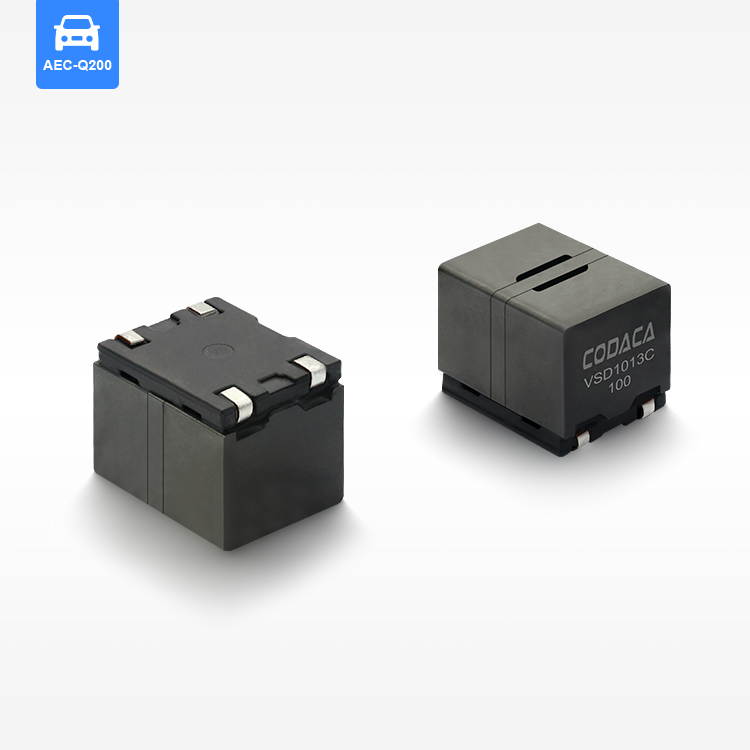
Automotive grade inductors offer substantial benefits that directly impact vehicle performance, reliability, and safety. These components provide exceptional temperature stability, ensuring consistent operation across extreme temperature ranges encountered in automotive environments. Unlike standard inductors that may fail or drift in performance under temperature stress, automotive grade variants maintain their electrical characteristics from arctic cold to desert heat conditions. This temperature resilience translates to reduced maintenance costs and improved vehicle reliability for end users. The enhanced electromagnetic interference suppression capability of automotive grade inductors significantly improves the performance of sensitive electronic systems. Modern vehicles contain numerous electronic control units that must operate without interference from switching circuits, ignition systems, and external electromagnetic sources. These specialized inductors effectively filter unwanted frequencies while maintaining clean power delivery, resulting in more reliable operation of critical systems like anti-lock braking, airbag deployment, and engine management. Superior mechanical durability represents another key advantage, as these components withstand constant vibration and shock loads typical in automotive applications. Standard inductors often suffer from broken connections or core damage under such conditions, but automotive grade versions feature reinforced construction and specialized mounting techniques that ensure long-term reliability. The extended operational lifespan of automotive grade inductors reduces replacement frequency and associated maintenance costs. These components typically offer service lives exceeding 15 years under normal automotive conditions, compared to shorter lifespans of consumer-grade alternatives. This longevity directly benefits vehicle owners through reduced repair costs and improved resale value. Automotive grade inductors also provide consistent performance across their operational life, maintaining stable inductance values and low resistance characteristics that ensure optimal circuit operation. The components meet strict automotive quality standards including AEC-Q200 qualification, which guarantees reliability through comprehensive testing protocols covering temperature cycling, humidity exposure, mechanical shock, and electrical stress conditions. This certification provides confidence in component selection and reduces the risk of field failures that could compromise vehicle safety or performance.

Practical Tips

How to Select the Best Automotive Grade High Current Power Inductors for Your Needs

31

Mar

How to Select the Best Automotive Grade High Current Power Inductors for Your Needs

Understanding Automotive Grade Requirements for Power Inductors AEC-Q200 Compliance and Certification AEC-Q200 is an essential industry standard for automotive components, ensuring products meet high-quality, reliability, and safety thresholds. This...
View More
Choosing the Right Automotive grade Molded Power Inductor for Your Application

02

Apr

Choosing the Right Automotive grade Molded Power Inductor for Your Application

Inductance and Current Ratings: Balancing Ripple and Saturation In automotive applications, understanding the balance between inductance and current ratings is essential. These benchmarks ensure that ripple voltage is minimized and saturation curren...
View More
A Comprehensive Review of the SMD Power Inductor Market

13

May

A Comprehensive Review of the SMD Power Inductor Market

Overview of the SMD Power Inductor Market Defining SMD Power Inductors and Core Functionality SMD power inductor is a kind of basic components in electronic circuit which always used as a anti interference in electronics. They are parts of...
View More
Features of Painted and Unpainted Integrated Molded Inductors

26

May

Features of Painted and Unpainted Integrated Molded Inductors

Overview Integrated molded inductors are characterized by high saturation, low loss, strong electromagnetic interference (EMI) resistance, ultra-low buzzing noise, and high automation, making them widely used in various electronic devices. In the cur...
View More

Get a Free Quote

Our representative will contact you soon.
Email
Name
Company Name
Message
0/1000

automotive grade inductor

Superior Environmental Resistance for Harsh Operating Conditions

Superior Environmental Resistance for Harsh Operating Conditions

The exceptional environmental resistance of automotive grade inductors represents a fundamental advantage that sets them apart from conventional electronic components. These specialized inductors undergo rigorous testing and qualification processes to ensure reliable operation in the demanding automotive environment. Temperature cycling tests verify performance across extreme ranges from -55°C to +155°C, simulating conditions from arctic winters to under-hood summer temperatures. The components maintain stable inductance values and low DC resistance throughout these temperature extremes, preventing performance degradation that could affect critical vehicle systems. Humidity resistance testing ensures that automotive grade inductors continue operating reliably in high-moisture conditions encountered in marine climates or during frequent car washing. The specialized encapsulation materials and sealing techniques prevent moisture ingress that could cause corrosion or electrical failures. Vibration and shock resistance capabilities enable these inductors to withstand the constant mechanical stress present in moving vehicles, from engine vibrations to road surface impacts. The robust construction includes reinforced lead attachments, secure core mounting, and flexible encapsulation materials that absorb mechanical stress without compromising electrical performance. Salt spray testing validates corrosion resistance for vehicles operating in coastal environments or regions where road salt is used for de-icing. This comprehensive environmental resistance ensures that automotive grade inductors maintain their electrical characteristics and mechanical integrity throughout the vehicle's operational life, reducing the likelihood of component failures that could lead to costly repairs or safety concerns. The superior environmental resistance also enables automotive manufacturers to offer extended warranties with confidence, knowing that these critical components will perform reliably across diverse operating conditions and geographic regions.
Advanced Electromagnetic Compatibility for Clean Power Delivery

Advanced Electromagnetic Compatibility for Clean Power Delivery

Advanced electromagnetic compatibility features make automotive grade inductors indispensable for managing the complex electromagnetic environment within modern vehicles. These components excel at suppressing electromagnetic interference while maintaining clean, stable power delivery to sensitive electronic systems. The sophisticated core materials and winding techniques employed in automotive grade inductors provide superior filtering characteristics across wide frequency ranges, effectively attenuating both conducted and radiated electromagnetic interference. This capability becomes increasingly important as vehicles incorporate more electronic systems operating at various frequencies, from low-frequency engine control signals to high-frequency wireless communication systems. The precise inductance values and tight tolerance control ensure consistent filtering performance across production volumes, eliminating the variation that could compromise electromagnetic compatibility. Advanced shielding techniques integrated into automotive grade inductors prevent interference between adjacent circuits while maintaining compact packaging suitable for space-constrained automotive applications. The components effectively isolate switching circuits from sensitive analog circuits, preventing digital noise from affecting precision measurements and control functions. High-frequency performance characteristics ensure effective filtering of switching noise generated by power electronics, LED drivers, and digital circuits that could otherwise interfere with radio reception, GPS navigation, or wireless communication systems. The superior self-resonant frequency and low parasitic capacitance of automotive grade inductors maintain filtering effectiveness across extended frequency ranges, providing reliable electromagnetic compatibility margins. Quality factor optimization ensures efficient energy transfer while minimizing losses that could generate heat or reduce system efficiency. These electromagnetic compatibility advantages directly translate to improved vehicle performance through cleaner power delivery, reduced electromagnetic interference, and enhanced reliability of electronic systems that control critical vehicle functions including engine management, safety systems, and driver assistance technologies.
Enhanced Reliability Through Automotive Quality Standards

Enhanced Reliability Through Automotive Quality Standards

Enhanced reliability through stringent automotive quality standards represents the cornerstone advantage of automotive grade inductors, providing manufacturers and consumers with confidence in long-term performance. These components undergo comprehensive qualification testing according to AEC-Q200 standards, which establish rigorous requirements for passive components used in automotive applications. The qualification process includes extensive temperature cycling tests that simulate decades of operational stress within accelerated timeframes, ensuring that automotive grade inductors maintain their electrical characteristics throughout extended service lives. Highly accelerated stress testing evaluates component reliability under extreme conditions that exceed normal operating parameters, identifying potential failure modes and validating design margins. The automotive quality standards mandate strict control over manufacturing processes, from raw material selection to final inspection, ensuring consistent quality across production volumes. Statistical process control techniques monitor critical parameters throughout manufacturing, preventing defective components from reaching vehicle production lines. Traceability requirements enable complete tracking of materials and processes used in each component, facilitating rapid response to any quality issues that might emerge in field applications. The enhanced reliability standards also require extensive documentation and change control procedures that ensure component consistency over extended production periods, critical for automotive manufacturers who require stable component specifications across multi-year vehicle programs. Failure rate requirements for automotive grade inductors typically specify defect levels measured in parts per million, far exceeding the reliability standards for consumer electronics. This exceptional reliability translates directly to reduced warranty costs for vehicle manufacturers and improved customer satisfaction through reduced component-related failures. The comprehensive testing and qualification procedures validate performance under real-world automotive conditions, including exposure to automotive fluids, thermal shock from engine operation, and electrical stress from switching circuits. These automotive quality standards ensure that automotive grade inductors deliver consistent, reliable performance throughout vehicle service lives that may span 15-20 years or more.