High Current Shielded Power Inductors - Superior EMI Protection & Compact Design Solutions

All Categories

Get a Free Quote

Our representative will contact you soon.
Email
Name
Company Name
Message
0/1000

high current shielded power inductors

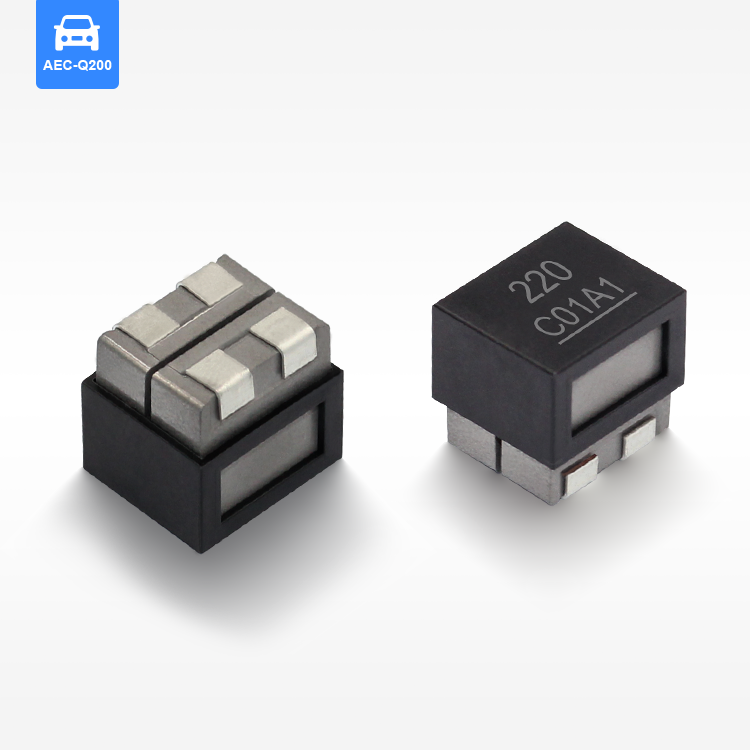
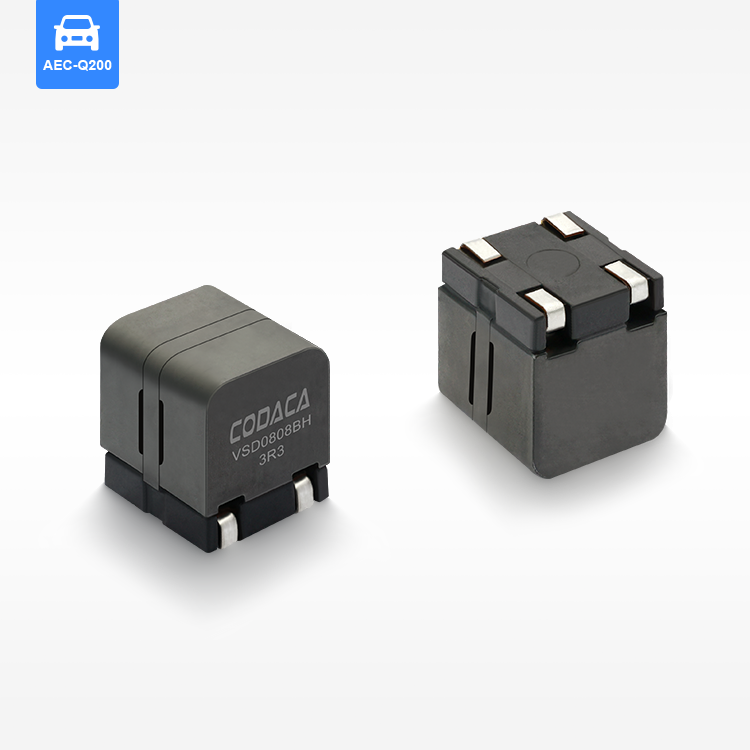
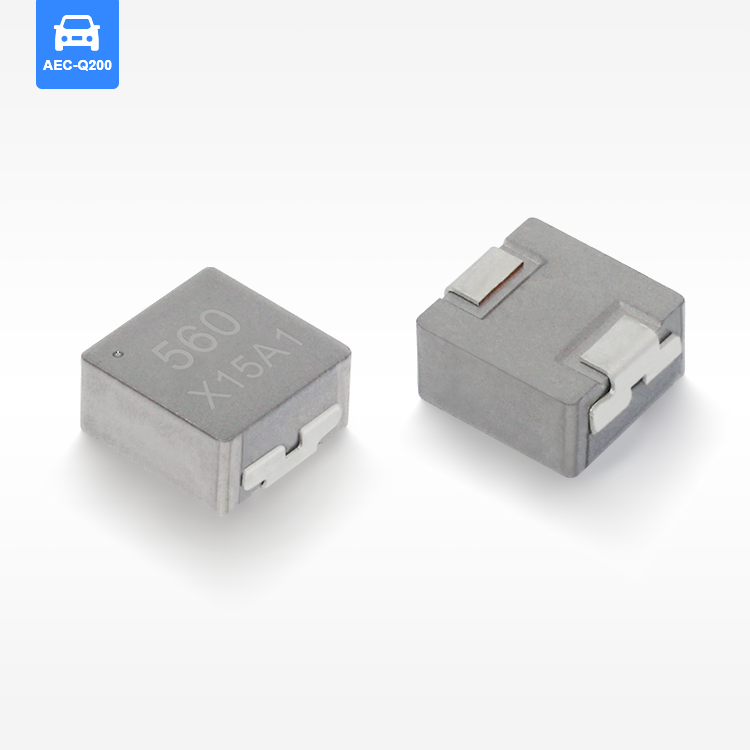
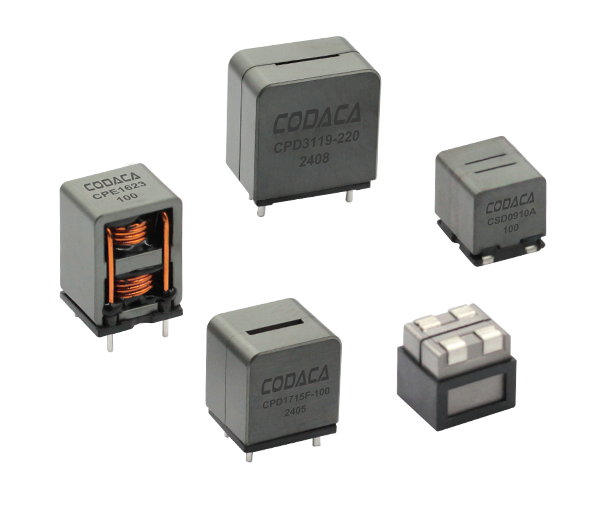
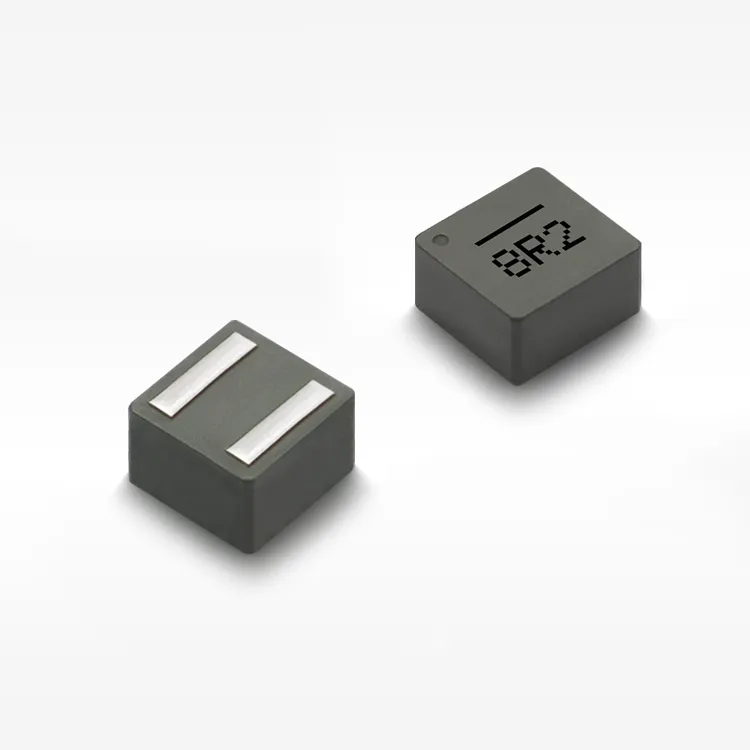
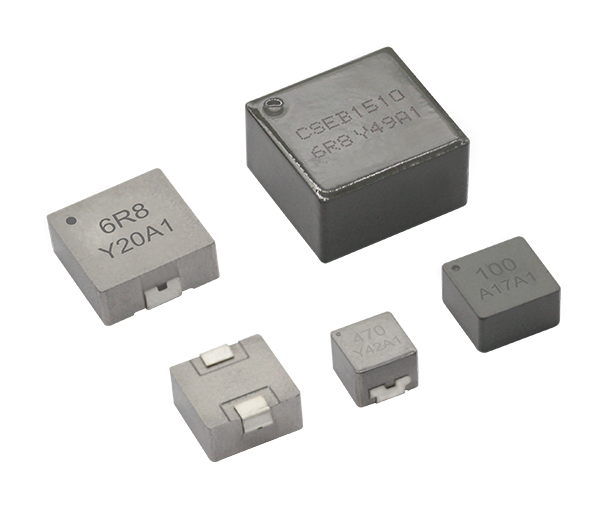
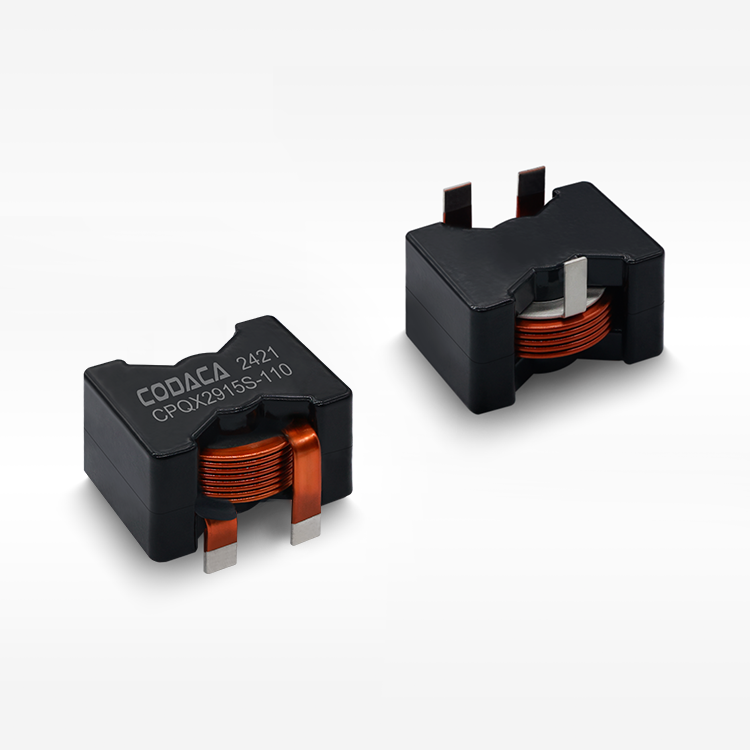
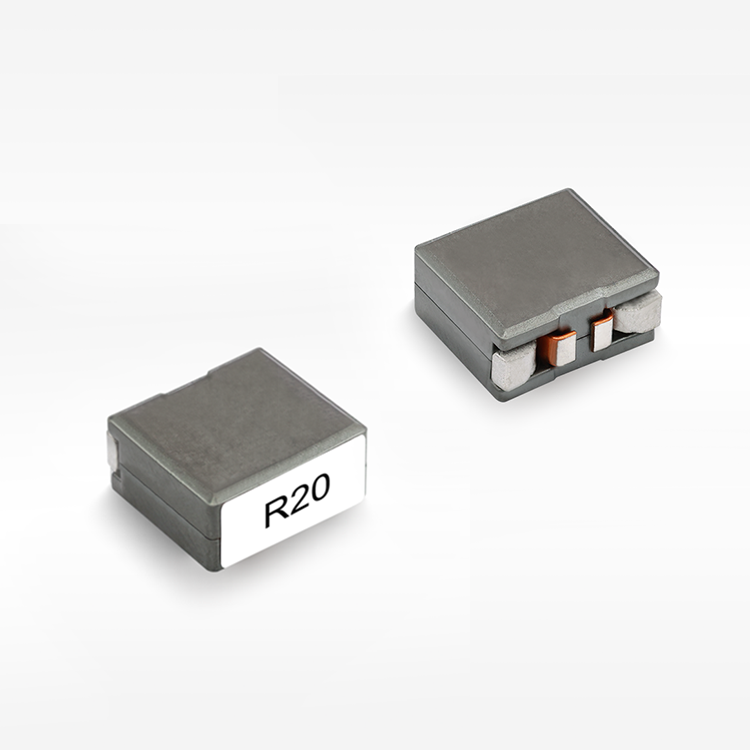
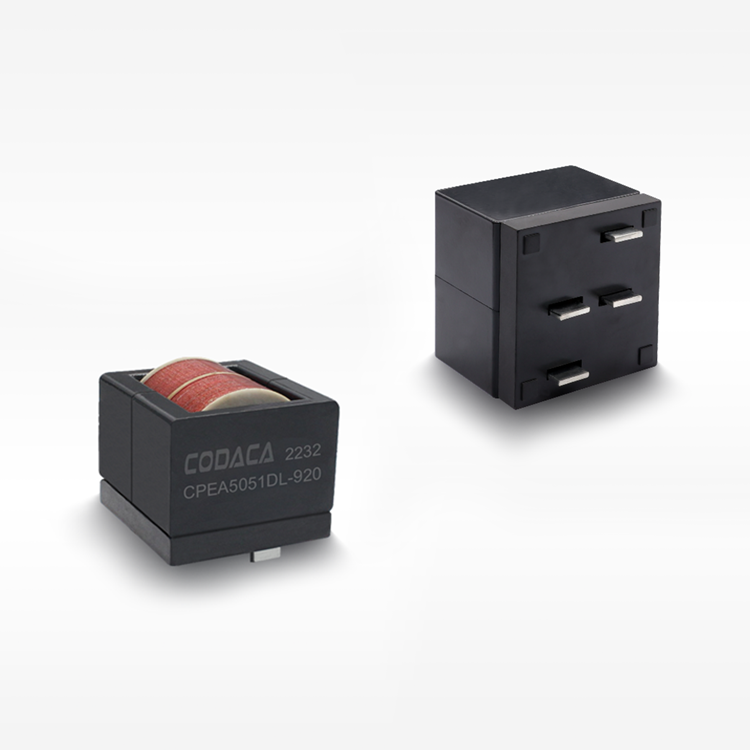
High current shielded power inductors represent a critical component in modern electronic systems, designed to handle substantial electrical currents while maintaining electromagnetic compatibility and operational efficiency. These specialized inductors feature a magnetic shield that encapsulates the inductor core, preventing electromagnetic interference from affecting surrounding components and circuits. The primary function of high current shielded power inductors involves energy storage and release in switching power supplies, DC-DC converters, and voltage regulators. Their technological architecture incorporates ferrite or powdered iron cores with carefully engineered winding configurations that optimize magnetic flux distribution. The shielding mechanism utilizes magnetic materials that create a closed-loop magnetic path, effectively containing the magnetic field within the component structure. This containment reduces radiated electromagnetic emissions and improves overall system performance. Advanced manufacturing techniques ensure these inductors can accommodate currents ranging from several amperes to hundreds of amperes, depending on the specific application requirements. The compact form factor achieved through innovative design methodologies allows engineers to maximize power density in space-constrained applications. Temperature stability remains a crucial characteristic, with modern high current shielded power inductors operating reliably across wide temperature ranges while maintaining consistent electrical parameters. Applications span across automotive electronics, telecommunications infrastructure, renewable energy systems, industrial automation, and consumer electronics. In automotive applications, these components support electric vehicle charging systems, engine control units, and advanced driver assistance systems. Telecommunications equipment relies on high current shielded power inductors for base station power supplies and network infrastructure components. Renewable energy installations utilize these inductors in solar inverters and wind power conversion systems, where reliability and efficiency directly impact energy harvesting effectiveness. The integration of advanced materials and precision manufacturing processes ensures these inductors deliver consistent performance while meeting stringent electromagnetic compatibility standards required in modern electronic designs.

New Products

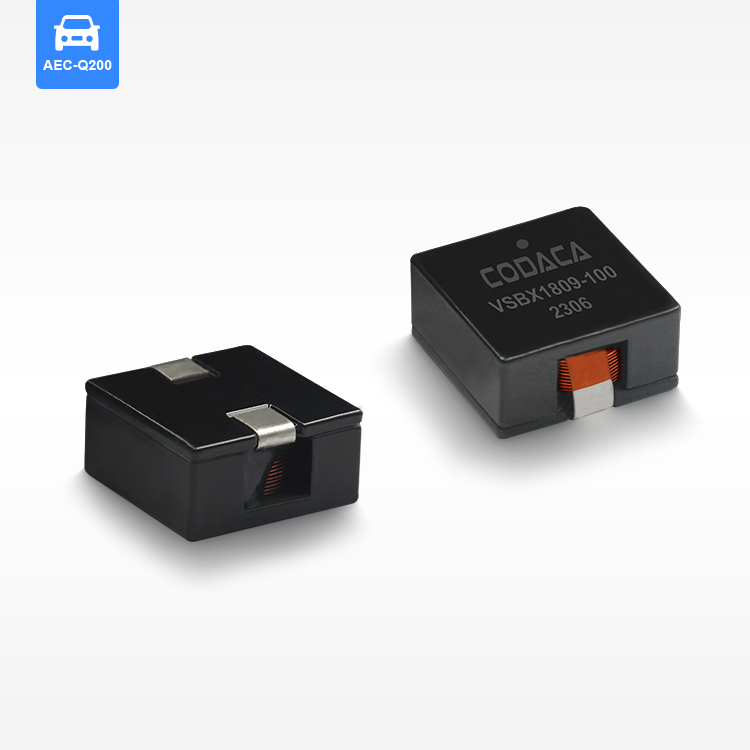
High current shielded power inductors deliver exceptional performance benefits that directly translate to improved system reliability and cost-effectiveness for engineers and manufacturers. These components significantly reduce electromagnetic interference, which means your electronic devices operate more smoothly without disrupting nearby circuits or being affected by external electromagnetic noise. The magnetic shielding creates a protective barrier that keeps magnetic fields contained, allowing you to place components closer together and achieve more compact designs. This space-saving capability proves invaluable in applications where every millimeter counts, such as mobile devices, automotive electronics, and industrial control systems. The superior current handling capacity enables these inductors to support high-power applications without overheating or performance degradation. You can rely on consistent electrical characteristics even under demanding operating conditions, which translates to longer product lifecycles and reduced maintenance requirements. The enhanced efficiency of high current shielded power inductors directly impacts energy consumption, helping you meet increasingly stringent energy efficiency standards while reducing operational costs. Lower core losses mean less heat generation, which simplifies thermal management and reduces cooling requirements in your designs. The stable inductance values across varying current levels ensure predictable circuit behavior, making system design more straightforward and reducing the need for extensive compensation circuits. These inductors demonstrate excellent temperature stability, maintaining performance across wide temperature ranges without requiring complex temperature compensation schemes. The robust construction withstands mechanical stress and vibration, making them ideal for harsh environment applications including automotive, aerospace, and industrial machinery. Manufacturing consistency ensures reliable supply chains and predictable performance characteristics across production batches. The standardized footprints and mounting options simplify PCB layout and assembly processes, reducing design time and manufacturing complexity. Quality certifications and compliance with international standards provide confidence in long-term reliability and regulatory compliance. The combination of high current capability, electromagnetic shielding, and compact form factor enables you to achieve higher power densities while maintaining system integrity and performance standards that meet or exceed customer expectations.

Latest News

The Role of Industrial Power Inductors in Modern Electronics

07

Apr

The Role of Industrial Power Inductors in Modern Electronics

Industrial power inductors play a vital role in modern electronics. They store energy, filter signals, and convert power to ensure your devices operate efficiently. These components stabilize circuits by controlling current flow and reducing noise. Y...
View More
The Role of Inductors in Digital Amplifier Performance

14

May

The Role of Inductors in Digital Amplifier Performance

Inductors in amplifier circuits help you manage current flow effectively. They stabilize electrical signals and reduce unwanted noise. By doing so, they enhance the performance of your amplifier. These components also improve energy efficiency, ensur...
View More
A Comprehensive Review of the SMD Power Inductor Market

13

May

A Comprehensive Review of the SMD Power Inductor Market

Overview of the SMD Power Inductor Market Defining SMD Power Inductors and Core Functionality SMD power inductor is a kind of basic components in electronic circuit which always used as a anti interference in electronics. They are parts of...
View More
Features of Painted and Unpainted Integrated Molded Inductors

26

May

Features of Painted and Unpainted Integrated Molded Inductors

Overview Integrated molded inductors are characterized by high saturation, low loss, strong electromagnetic interference (EMI) resistance, ultra-low buzzing noise, and high automation, making them widely used in various electronic devices. In the cur...
View More

Get a Free Quote

Our representative will contact you soon.
Email
Name
Company Name
Message
0/1000

high current shielded power inductors

Superior Electromagnetic Shielding Technology

Superior Electromagnetic Shielding Technology

The electromagnetic shielding technology integrated into high current shielded power inductors represents a fundamental advancement in component design that addresses critical challenges in modern electronic systems. This sophisticated shielding mechanism employs carefully engineered magnetic materials that create a complete magnetic circuit around the inductor core, effectively containing the magnetic flux within the component boundary. The shielding structure prevents magnetic field leakage that could interfere with nearby sensitive components such as microprocessors, analog circuits, and communication modules. This containment capability becomes increasingly important as electronic systems become more densely packed and operating frequencies continue to rise. The magnetic shield also protects the inductor from external electromagnetic influences, ensuring stable performance in electromagnetically noisy environments. Engineers benefit from this technology by gaining the freedom to place high current shielded power inductors in close proximity to other components without compromising system performance or requiring extensive electromagnetic compatibility testing. The shielding effectiveness remains consistent across the entire operating frequency range, providing reliable protection for both conducted and radiated electromagnetic interference. Manufacturing processes ensure the magnetic shield maintains its integrity throughout the component lifecycle, even under thermal cycling and mechanical stress conditions. The shield design incorporates gaps and discontinuities strategically positioned to prevent eddy current formation while maintaining effective magnetic containment. This approach optimizes both shielding performance and component efficiency. The materials used in the shielding construction demonstrate excellent magnetic permeability characteristics that enhance the overall inductance stability while providing the desired electromagnetic isolation. Quality control procedures verify shielding effectiveness through rigorous testing protocols that simulate real-world operating conditions. The result is a component that enables designers to achieve electromagnetic compatibility compliance more easily while maintaining compact system architectures that meet modern performance and size requirements.
Exceptional High Current Handling Capability

Exceptional High Current Handling Capability

The high current handling capability of shielded power inductors stems from advanced core materials and innovative winding techniques that enable these components to manage substantial electrical currents without sacrificing performance or reliability. The core materials utilize carefully selected ferrite compositions or powdered metal alloys that maintain magnetic permeability across wide current ranges while minimizing saturation effects. This material selection ensures the inductor maintains its specified inductance value even when carrying high DC currents, preventing the performance degradation commonly experienced with conventional inductors. The wire winding configuration employs optimized conductor cross-sections and specialized insulation systems that accommodate high current densities while maintaining thermal stability. Advanced thermal management features integrated into the component design facilitate efficient heat dissipation, preventing hot spots that could compromise wire insulation or core material properties. The current handling capability extends beyond simple amperage ratings to include consideration of current ripple, frequency response, and transient conditions typical in switching power supply applications. Engineers can specify these inductors with confidence knowing they will perform consistently under varying load conditions without requiring oversized components or elaborate cooling systems. The magnetic core geometry incorporates distributed air gaps that prevent magnetic saturation while maintaining compact form factors essential for space-constrained applications. Quality manufacturing processes ensure consistent current handling performance across production batches, providing predictable supply chain reliability for volume manufacturing. The high current capability enables system designers to achieve higher power densities, supporting the trend toward more powerful electronic devices in smaller packages. Testing protocols verify current handling performance under realistic operating conditions including temperature cycling, humidity exposure, and mechanical vibration. The robust construction withstands the electromagnetic forces generated by high current operation, ensuring mechanical stability throughout the component operating life. This exceptional current handling capability translates directly to improved system efficiency, reduced component count, and enhanced overall system reliability in demanding power conversion applications.
Compact Design with Optimized Power Density

Compact Design with Optimized Power Density

The compact design philosophy behind high current shielded power inductors revolutionizes power supply architecture by delivering maximum inductance and current handling capability within minimal PCB footprint requirements. This space optimization results from sophisticated magnetic circuit design that maximizes the utilization of core material while incorporating effective electromagnetic shielding in a unified structure. The component geometry carefully balances magnetic flux distribution, thermal dissipation, and electromagnetic containment to achieve optimal power density without compromising electrical performance or reliability. Manufacturing precision ensures consistent dimensional tolerances that facilitate automated assembly processes and predictable PCB layout requirements. The low profile construction accommodates height-restricted applications while maintaining the magnetic performance characteristics required for efficient power conversion. Engineers benefit from standardized footprints that simplify component selection and inventory management while providing flexibility for power scaling through component substitution. The compact form factor enables higher component density on PCBs, reducing overall system size and weight critical for portable applications, automotive electronics, and space-constrained industrial equipment. Thermal characteristics remain optimized despite the reduced size, with carefully engineered heat dissipation paths that prevent thermal buildup during high current operation. The mechanical design incorporates robust termination systems that provide reliable electrical connections and mechanical stability during thermal cycling and vibration exposure. Quality assurance processes verify dimensional consistency and electrical performance across production volumes, ensuring reliable supply chain support for high-volume manufacturing. The space-efficient design supports modern design methodologies that prioritize miniaturization while maintaining or improving electrical performance standards. Cost-effectiveness improves through reduced PCB area requirements, simplified assembly processes, and decreased material usage in overall system construction. This combination of compact size, high performance, and reliable operation enables engineers to meet increasingly demanding requirements for power density, efficiency, and electromagnetic compatibility in next-generation electronic systems while maintaining competitive cost structures and manufacturing feasibility.